Hair thinning can happen gradually or appear as noticeable shedding over a short period. For some people, it begins with a receding hairline. Others notice a widening part, reduced volume around the crown, or more hair than usual collecting in the shower. Although hair loss is common, its causes and the most appropriate treatment can differ from person to person.
Understanding what is contributing to hair loss is the first step towards choosing an appropriate treatment. Genetics, hormonal changes, stress, nutritional deficiencies, medical conditions and certain hair care practices may all play a role. At Zia Wellness, hair loss treatment in Sedona includes options such as platelet-rich plasma (PRP), topical prescription treatments and nutraceuticals, with recommendations tailored to individual needs.
Quick Answer:
Hair loss treatment depends on its underlying cause. Minoxidil may help some people with pattern hair loss, while PRP and selected prescription treatments may be considered following a professional assessment. When hair thinning is associated with a medical condition or nutritional deficiency, addressing that issue may also be important. A clinical evaluation can help determine which tests and treatments are appropriate instead of relying on a one-size-fits-all approach.
What Causes Hair Thinning in Men and Women?
Hair loss does not have one universal cause. Identifying the pattern, timing and possible triggers can help guide the next steps.
1. Genetics and Pattern Hair Loss
Male and female pattern hair loss are common forms of hereditary hair thinning. In men, this may appear as a receding hairline, thinning at the temples or reduced hair density around the crown. In women, it often appears as gradual thinning across the top of the scalp or a widening part.
Genetic hair loss usually develops progressively. Although it may not be completely reversible, appropriate treatment can help some people slow further thinning or improve hair density.
2. Hormonal Changes
Hormonal changes can influence the hair growth cycle. Pregnancy, the period after childbirth, menopause and certain endocrine conditions may be associated with changes in hair density or shedding.
Hair thinning may sometimes occur alongside other symptoms, such as irregular menstrual cycles, acne or changes in energy levels. These symptoms do not automatically indicate a hormone imbalance, but discussing them with a healthcare professional can help determine whether further evaluation is appropriate.
3. Stress, Illness and Significant Weight Changes
Physical or emotional stress can trigger a temporary increase in hair shedding in some people. This may happen several months after a major illness, surgery, significant weight loss or another stressful event.
This type of shedding may improve once the trigger has resolved, although recovery varies. Persistent or severe shedding should be assessed rather than automatically attributed to stress.
4. Nutritional Deficiencies and Medical Conditions
Insufficient intake or low levels of certain nutrients, including iron, may contribute to hair loss in some cases. Thyroid disorders, scalp conditions and other medical issues can also affect hair growth.
Taking supplements without confirming a deficiency is not necessarily helpful. A clinician can assess dietary patterns, medical history and symptoms to determine whether testing or nutritional support is appropriate.
5. Hair Care Practices and Scalp Conditions
Repeatedly wearing tight hairstyles, excessive heat styling and certain chemical treatments can contribute to hair breakage or traction-related hair loss. Scalp inflammation and infections may also affect hair growth.
Changes in hair care may help when these practices are contributing to the problem. However, sudden, patchy, painful or inflamed hair loss requires professional assessment.
What Tests Are Needed for Hair Loss?
There is no single blood test that explains every case of hair thinning. Testing should be based on the person’s symptoms, medical history, and examination findings.
A healthcare professional may begin by asking when the shedding started, whether it is gradual or sudden, whether hair loss runs in the family, and whether there have been recent illnesses, medication changes, dietary changes or hormonal symptoms.
An assessment may include:
- Scalp and hair examination: To identify the pattern of thinning, visible inflammation, breakage or other scalp changes.
- Hair-pull assessment: To help evaluate active shedding when clinically appropriate.
- Blood tests: Selected tests may be recommended if a deficiency, thyroid condition or another medical cause is suspected.
- Scalp biopsy or additional investigations: These may be considered when the diagnosis remains unclear or a specific scalp disorder is suspected.
Not everyone needs every test. For example, hormone testing is not routinely necessary for every woman experiencing hair thinning; it may be considered when the symptoms and clinical history suggest a possible hormonal condition.
An accurate assessment helps distinguish hereditary hair loss from temporary shedding and other conditions that may need different treatment.
Hair Loss Treatment Options for Men and Women
Once the likely cause has been identified, treatment can be selected according to the type of hair loss, health history, suitability, and personal goals. Results vary, and no single treatment works for everyone.
1. Minoxidil for Hair Regrowth
Minoxidil is a topical medication commonly used for certain forms of pattern hair loss. Depending on the product and individual circumstances, it may help slow hair loss and support regrowth.
Results generally take several months to become noticeable, and consistent use is important. Any improvement may not be maintained after treatment is discontinued.
Minoxidil is not suitable for every type of hair loss. Sudden or patchy shedding, an irritated scalp or hair loss with an unexplained cause should be assessed before starting treatment. Follow the product instructions and seek advice about suitability, potential side effects, and any relevant medical conditions.
2. PRP Treatment for Hair Loss
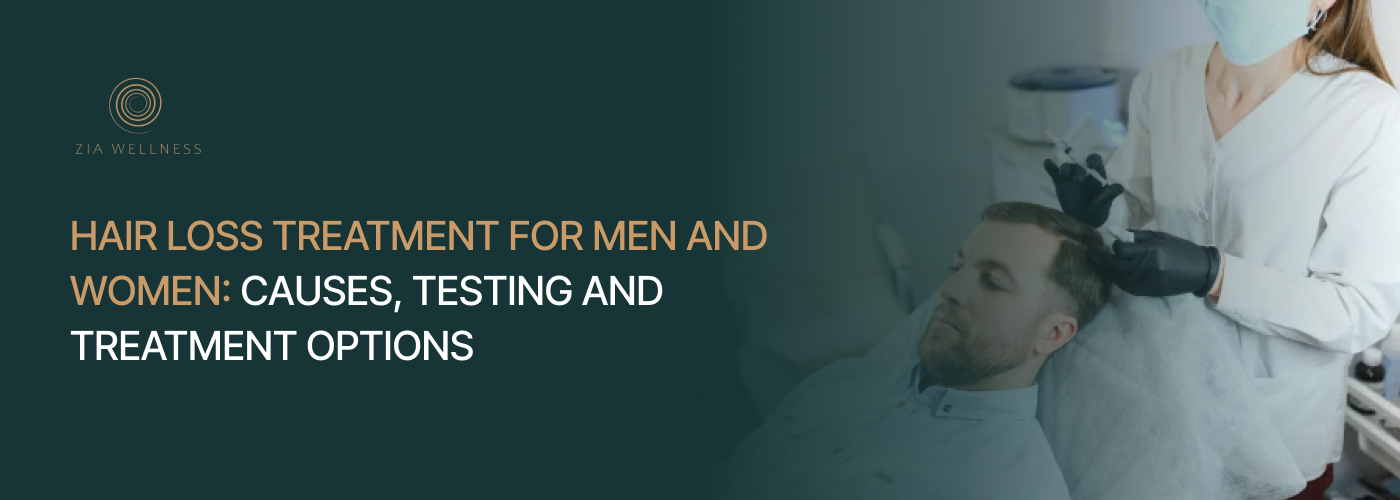
Platelet-rich plasma (PRP) is a procedure that uses a concentrated portion of a person’s own blood. The plasma is prepared and injected into selected areas of the scalp as part of a hair restoration plan.
PRP may be considered for certain types of pattern hair loss in men and women. Some studies suggest it can help improve hair density or reduce shedding in selected patients, but results are variable and research does not establish that it will work for everyone.
Treatment typically involves a series of sessions, sometimes followed by maintenance appointments. The schedule depends on the treatment plan and individual response. A qualified provider can explain potential benefits, discomfort, bruising, infection risk, costs, and other considerations before treatment.
3. Prescription Treatments
Depending on the diagnosis, prescription medications may be considered alongside or instead of other options. For example, finasteride is used for male pattern hair loss in appropriate patients. Certain other medications may be considered for women with specific patterns of hair loss.
These treatments are not interchangeable and may carry important risks. Finasteride, for instance, requires a discussion of potential adverse effects and pregnancy-related precautions. Medication decisions should be made with a qualified healthcare professional rather than based on another person’s treatment plan.
4. Nutritional Support and Hair Growth Supplements
Nutritional support may be useful when a confirmed deficiency or inadequate dietary intake is contributing to hair loss. However, supplements are not a guaranteed solution for hereditary hair thinning, and taking excessive amounts of certain nutrients can be harmful.
Zia Wellness in Sedona offers nutraceutical options as part of its hair restoration services. A provider can help determine whether nutritional support is appropriate for your situation and whether any additional evaluation is needed.
5. Emerging and Adjunctive Treatments
Some hair restoration plans may discuss topical compounds or ingredients such as GHK-Cu. However, the amount and quality of clinical evidence vary between treatments. These options should not automatically be considered equivalent to established treatments such as topical minoxidil.
Discuss the evidence, potential risks, formulation and suitability of any proposed treatment with your provider before proceeding.
Can Men and Women Follow the Same Hair Regrowth Plan?
Men and women may have access to some of the same treatment categories, but the best approach depends on the diagnosis and individual circumstances.
For example, a person with gradual hereditary thinning may be considered for a different plan from someone experiencing increased shedding after an illness. Pregnancy plans, medical history, medications and scalp health can also influence which options are suitable.
At Zia Wellness, hair restoration options include PRP, topical or oral prescription approaches and nutraceuticals. The goal of an individualised assessment is to determine which options may be appropriate, not to promise a particular outcome.
You can also read Zia Wellness’s related article on GHK-Cu, hair regrowth and scalp health.
When Should You Seek Professional Help for Hair Loss?
Consider arranging an assessment if thinning continues, your part or hairline is changing, or shedding is affecting your confidence. Seek prompt medical advice for sudden or patchy hair loss, scalp pain, significant redness, scaling, or signs of infection.
Early evaluation can help identify treatable causes and avoid delays in addressing conditions that may need specific care. It can also help you understand realistic expectations before investing in a treatment.
Frequently Asked Questions
1. What is the best hair loss treatment for men?
The most appropriate treatment depends on the cause and pattern of hair loss. Minoxidil and certain prescription medications may help some men with hereditary hair loss, while PRP may be an option for selected patients. A professional assessment can help guide the choice.
2. What helps with hair regrowth for women?
Treatment may include minoxidil for suitable types of pattern hair loss, addressing confirmed nutritional deficiencies or treating an underlying medical condition. The right approach depends on the cause, symptoms and individual health circumstances.
3. Does minoxidil work for everyone?
No. Minoxidil can help some people with certain types of hair loss, but results vary. It requires consistent use, and any benefits may diminish after stopping treatment. It is important to use it as directed and confirm that it is appropriate for your situation.
4. What blood tests should I get for hair thinning?
There is no universal hair loss blood-test panel for everyone. Depending on your symptoms and medical history, a clinician may recommend tests for possible iron deficiency, thyroid problems or other suspected conditions. Testing should be guided by your assessment.
5. Can PRP help with hair loss?
PRP may improve hair density or reduce shedding in some people with certain types of hair loss. Results are not guaranteed, and repeat sessions may be recommended. A provider can explain whether it is suitable and discuss the limitations and risks.
6. When should I consider hair loss treatment in Sedona?
Consider an assessment if you notice persistent thinning, a receding hairline, a widening part or ongoing shedding. Sudden, patchy or painful hair loss should be evaluated promptly to identify the cause and determine the next steps.
Explore Hair Loss Treatment in Sedona
Hair thinning can have several causes, and the right approach begins with understanding what may be contributing to it. Whether you are exploring hair loss treatment for men, hair regrowth options for women or support for ongoing shedding, an individualised assessment can help you make a more informed decision.
Zia Wellness offers hair restoration options that may include PRP, topical or oral prescription treatments and nutraceuticals, depending on individual needs. To discuss your concerns and explore suitable options, contact the Zia Wellness team.