Quick Answer
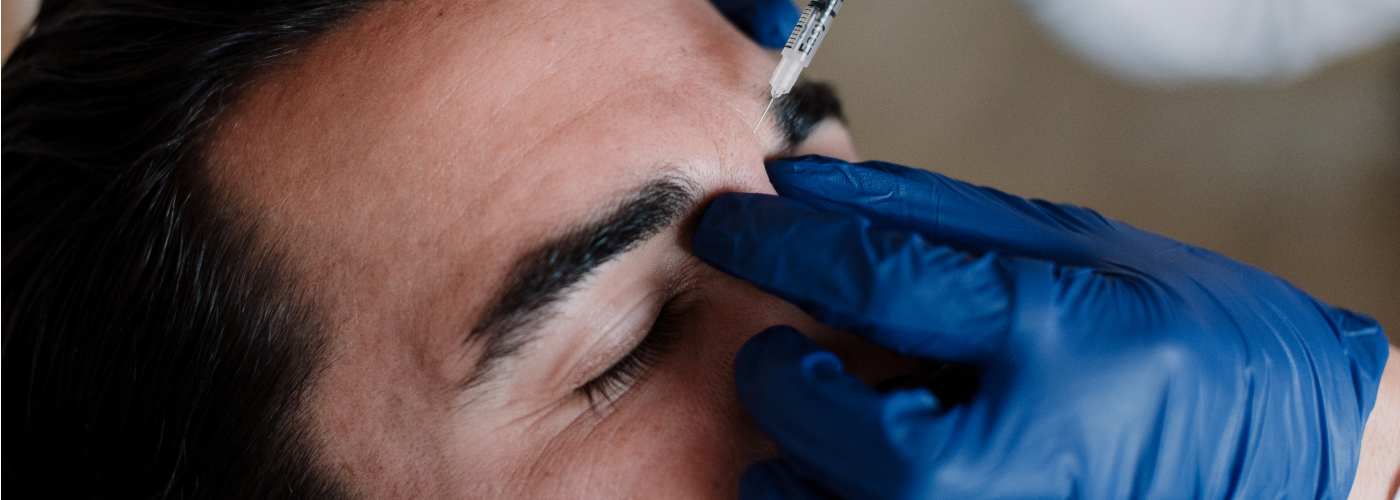
Botox is a neuromodulator commonly used to soften the appearance of dynamic wrinkles like forehead lines, frown lines, and crow’s feet. Results typically appear within 3 to 7 days, reach full effect around two weeks, and last around three to four months. There’s no upper age limit for treatment, and cost is generally based on the number of units used. A consultation is the best way to get answers specific to your goals for Botox in Sedona.
Key Takeaways
- Botox works by temporarily relaxing muscles that cause dynamic wrinkles from repeated facial movement.
- Results generally last three to four months and are fully visible around the two-week mark.
- Pricing is typically based on units used, which vary by treatment area and provider.
- There’s no specific age cutoff; many people start Botox in their 40s, 50s and beyond.
- Botox can treat more than forehead lines, including the lips, brows, and bunny lines near the nose.
- A personalized consultation is the most reliable way to get answers specific to your face and goals.
If you’ve been searching for Botox in Sedona, you’re far from alone. It’s one of the most common aesthetic treatments people research online, and between the range of clinics now offering it, conversations with friends, and everything circulating on social media, it’s natural to end up with more questions than answers.
At Zia Wellness, located in Sedona and serving clients throughout West Sedona, the Village of Oak Creek, the greater Verde Valley, and Northern Arizona, every Botox and Xeomin treatment is performed by a Nurse Practitioner or Registered Nurse with advanced aesthetic training, never delegated to an aesthetician or lay technician. Below, the team answers the fifteen questions they hear most often, directly and in plain language, so you can walk into a consultation already knowing what to expect.
The Basics: Understanding Botox
Q1: What Is Botox Used For?
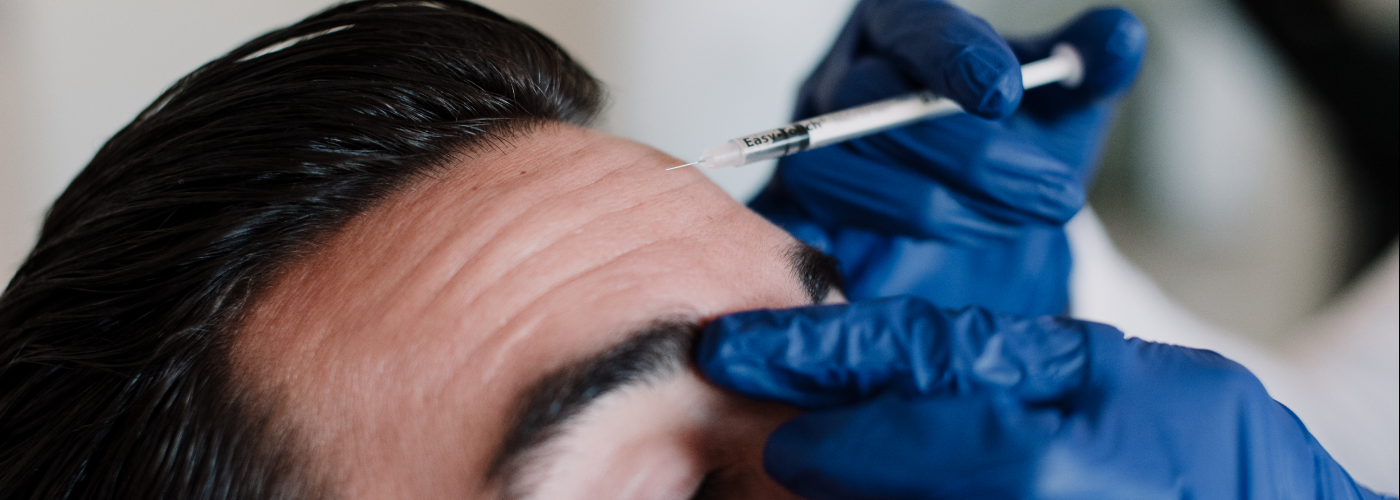
Botox is a neuromodulator commonly used to soften the appearance of dynamic wrinkles, the lines that form from repeated facial movement over time. The most frequently treated areas include forehead lines, frown lines between the brows, and crow’s feet around the eyes.
Beyond these classic areas, Botox is also commonly used for a lip flip, a subtle brow lift, jaw slimming for tension or a softer facial contour, chin dimpling, neck bands, and bunny lines across the nose. Which areas make sense for you depends on your facial anatomy and goals, which is why a personalized consultation is the starting point for any treatment plan at Zia Wellness.
Q2: How Does Botox Work to Reduce Wrinkles?
Botox works by temporarily blocking the nerve signal that tells a specific muscle to contract. When that muscle relaxes, the skin above it creases less during movement, which can soften the appearance of lines caused by that repeated expression.
It’s important to understand what this mechanism does and doesn’t do. Botox relaxes muscle movement; it doesn’t add volume or tighten skin. That’s why it works best on dynamic wrinkles, the lines that show up during movement and disappear at rest, rather than deeper static lines caused by volume loss or reduced skin elasticity.
Q3: When Do Botox Results Start to Appear?
Most people begin noticing early changes within three to seven days after treatment. This isn’t instant, and it’s common to walk out of your appointment looking the same as when you walked in, since the product needs time to take effect.
The exact timing can vary slightly depending on the treatment area, the dose used, and individual muscle activity. Patience during this early window is normal, and it doesn’t mean anything went wrong.
Q4: When Does Botox Reach Its Strongest Effect?
Botox typically reaches its full, strongest effect around the two-week mark. This is the point at which most providers recommend evaluating your results, since judging them earlier can be misleading while the product is still settling.
If anything looks uneven or incomplete before two weeks have passed, it’s generally too early to request a touch-up. A follow-up assessment at or after this point gives a much clearer picture of your final result.
Q5: How Long Do Botox Results Typically Last?
Results generally last around three to four months, though this varies based on treatment area, individual metabolism, and muscle activity. Some individuals find results last slightly longer with consistent, regularly spaced maintenance appointments over time.
Because Botox is not permanent, most patients settle into a maintenance rhythm, often scheduling their next appointment before results have fully faded to help keep outcomes more consistent.
Q6: What Is the 4-Hour Rule for Botox?
The 4-hour rule refers to staying upright and avoiding touching, rubbing, or applying pressure to the treated area for about four hours after your injections. This simple precaution helps the product stay in the targeted muscle as it begins to settle, rather than shifting to a nearby area.
In practice, this means avoiding lying down, bending over for extended periods, or resting your face in your hands during that window. It’s an easy habit to build into your day, especially if you schedule your appointment for the morning or early afternoon.
Cost and Pricing
Q7: How Much Does Botox Cost Per Unit in Arizona?
Botox is typically priced per unit rather than as a flat fee, and per-unit pricing can vary by provider, location, and current market rates across Arizona. Because pricing changes over time and by clinic, it’s always best to confirm current numbers directly rather than relying on figures found elsewhere online.
At Zia Wellness in Sedona, current per-unit pricing is reviewed with you during your consultation, before any treatment begins, so you know exactly what to expect.
Q8: How Much Do 20 Units of Botox Typically Cost?
The cost of 20 units depends on the per-unit pricing in effect at the time of your visit. Twenty units is a common starting range for smaller treatment areas like frown lines, though your provider will recommend a unit count based on your specific muscle strength and goals rather than a fixed number for everyone.
A consultation at Zia Wellness is the most accurate way to get a cost estimate tailored to your treatment plan, since unit counts and pricing can shift depending on which areas you’re treating.
Botox and Age
Q9: Is 40 Too Late to Start Botox?
Not at all. In fact, the 40s are one of the more common decades for people to start Botox, often because lines that used to appear only during movement have started to show up faintly even at rest.
Starting at this stage doesn’t mean you’ve missed a window; it simply means your treatment plan may look slightly different than it would for someone in their late 20s. A consultation helps set realistic expectations based on your specific skin and muscle activity.
Q10: Can People Over 65 Get Botox Injections?
Yes, there’s no upper age limit for Botox. Candidacy is determined individually, based on overall health and skin condition, rather than by age alone.
That said, providers may recommend a more conservative approach for thinner or more sun-affected skin, which becomes more common later in life. This is discussed openly during a consultation, so expectations are realistic from the start.
Q11: Is Botox Worth Considering After 60?
Many individuals in their 60s and beyond find Botox worthwhile for softening the appearance of dynamic lines, sometimes alongside complementary options like dermal fillers or biostimulators to address volume loss that Botox alone doesn’t target.
Whether it’s worth it ultimately comes down to your personal goals. A consultation can help you understand what a realistic outcome looks like for your specific skin, rather than relying on generic expectations based on age.
Specific Treatment Areas
Q12: What Is a Botox Lip Flip, and How Does It Work?
A lip flip uses a small amount of Botox injected into the muscle around the upper lip, gently relaxing it so the lip rolls slightly outward. This can create the appearance of a fuller, more defined smile without adding any volume.
It’s a different approach from lip filler, which uses hyaluronic acid to add structure rather than relaxing muscle movement. Some individuals explore combining both over time, though a lip flip on its own is often enough to meet more subtle goals.
Q13: Can Botox Lift the Eyebrows?
Yes, Botox can create a subtle brow lift by relaxing the small muscles that pull the eyebrow downward, which allows the forehead muscle to lift the brow slightly higher. This is a more targeted, precise application than general forehead treatment.
Results from a Botox brow lift are typically subtle rather than dramatic, and they work best for mild to moderate concerns related to brow position. More significant hooding or brow descent may call for a different conversation with your provider.
Q14: Can Botox Help Reduce the Appearance of Bunny Lines?
Yes, bunny lines, the lines that appear across the bridge of the nose when scrunching it, are a commonly treated area. A small, targeted amount of Botox is typically used here, often alongside other upper-face areas like frown lines or crow’s feet.
Because the muscles involved are small and sit close to other important facial muscles, precise placement matters. This is an area where an experienced injector’s technique makes a noticeable difference in how natural the result looks.
What Patients Often Reflect On Afterwards
Q15: What I Wish I Knew Before Getting Botox?
Patients commonly share a few reflections after their first Botox experience. One of the most frequent is that results take about two weeks to fully develop, and judging the outcome too early can lead to unnecessary worry or premature requests for more product.
Another common reflection is that a conservative starting dose tends to look more natural than going heavier right away, with room to adjust at a follow-up if needed. Patients also often mention wishing they’d asked more questions about their injector’s credentials and aftercare guidance during their very first visit, rather than after the fact.
A Note on Who Performs Your Botox at Zia Wellness
Several of the answers above touch on how much technique and provider experience matter, and it’s worth explaining why that’s a point of emphasis at Zia Wellness. Sedona has grown significantly as a wellness and aesthetics destination, which means the range of providers offering Botox has grown too, not all with the same level of clinical training.
Every consultation and injection at Zia Wellness is performed by a Nurse Practitioner or Registered Nurse with advanced aesthetic training, never delegated to an aesthetician or a staff member without clinical injection experience. Each appointment includes a facial movement assessment and a conversation about your goals before any product is used, with a focus on the minimum effective dose needed for a natural-looking result. Whether you’re a longtime Sedona resident or visiting from elsewhere in the Verde Valley or Northern Arizona, it’s a reasonable question to ask any provider before booking.
Still Have Questions? The Zia Wellness Team Is Here to Help
Botox questions tend to circle back to the same handful of themes: how it works, how long it lasts, what it costs, and whether it’s the right fit at your age or for your specific goals. General answers, like the ones above, offer a helpful starting point, but the most accurate guidance always comes from a consultation that takes your face, history, and goals into account.
Whether you’re in Sedona, West Sedona, the Village of Oak Creek, or anywhere across the Verde Valley, the Zia Wellness team is happy to walk through your questions and help you decide whether Botox fits your goals.
Have more questions about Botox in Sedona? Schedule a consultation with the Zia Wellness team.