Quick Answer
Yes, NAD+ and glutathione can be taken together and are commonly administered in the same IV session. They don’t interfere with each other. In fact, they work better together than either does alone: NAD+ drives cellular energy and produces oxidative byproducts in the process; glutathione neutralizes exactly those byproducts. One creates what the other cleans up. At Zia Wellness, combining them in a single session is one of our most frequently requested protocols.
When people research IV therapy, NAD+ and glutathione come up constantly, often side by side, often described in similar terms, and rarely with a clear explanation of what happens when you use both at once. The most common questions we get are: are they safe together, do they interfere with each other, and is combining them actually worth it?
The short answer to all three: yes, no, and yes. But the longer answer explains why and why the combination works the way it does. That’s what this guide covers.
What NAD+ and Glutathione Each Do In Plain Terms
NAD+ (Nicotinamide Adenine Dinucleotide)
NAD+ is a coenzyme found in every cell of your body. Its primary job is facilitating the chemical reactions that convert food into cellular energy, specifically by shuttling electrons through the mitochondrial energy production chain. It also activates proteins called sirtuins that regulate DNA repair, inflammation, and cellular aging.
The problem is that NAD+ levels decline significantly with age, by roughly 50% between your 20s and 50s. That decline is directly linked to fatigue, brain fog, slower recovery, and accelerated cellular aging. IV NAD+ delivers the molecule at concentrations that oral supplements can’t match, restoring what time and metabolism have depleted.
Glutathione
Glutathione is a tripeptide, three amino acids linked together, produced naturally in your liver. It is your body’s primary antioxidant defense system. Its job is to find free radicals and reactive oxygen species, neutralize them, and escort waste products and toxins out of cells. It also plays a central role in immune regulation and is closely tied to liver health.
Glutathione levels drop with age, chronic illness, poor diet, alcohol use, and environmental toxin exposure. When they’re low, oxidative stress accumulates, contributing to inflammation, accelerated aging, and reduced immune function. Oral glutathione is poorly absorbed by the gut; IV delivery bypasses that entirely.
NAD+ vs. Glutathione: Side by Side
| NAD+ | Glutathione | |
|---|---|---|
| What it is | Coenzyme cellular energy carrier | Tripeptide master antioxidant |
| Primary role | Fuel cells, repair DNA, activate sirtuins | Neutralize free radicals, detox, protect cells |
| Best for | Fatigue, brain fog, aging, and addiction recovery | Inflammation, liver load, skin, autoimmune |
| Session time | 2–4 hours (slow drip essential) | 15–30 min push after another IV |
| Onset | 24–48 hours after the session | Days build over sessions |
| Together? | Yes highly synergistic | Yes, glutathione clears NAD+ byproducts |
Why NAD+ and Glutathione Work Better Together
This is the part most content on this topic misses, and it’s the most clinically interesting piece.
NAD+ drives mitochondrial energy production. That process is essential and beneficial, but it generates reactive oxygen species (free radicals) as a natural byproduct. In normal, healthy cells with adequate antioxidant reserves, those free radicals are cleared quickly.
But when glutathione levels are already low, which is common in the patients who most need NAD+ therapy, those byproducts accumulate and can cause cellular stress during and after the session.
Glutathione neutralizes exactly those reactive oxygen species. Giving it alongside NAD+ doesn’t just add a second benefit; it actively reduces the oxidative burden that NAD+ metabolism produces. The two molecules are covering different ends of the same cellular health process. NAD+ runs the engine; glutathione manages the exhaust.
There is no chemical interaction between the two molecules that creates interference or risk. They work through completely separate pathways. Combining them is not experimental; it is a standard integrative medicine protocol used in clinics across the country.
Why glutathione is given at the end, not the start
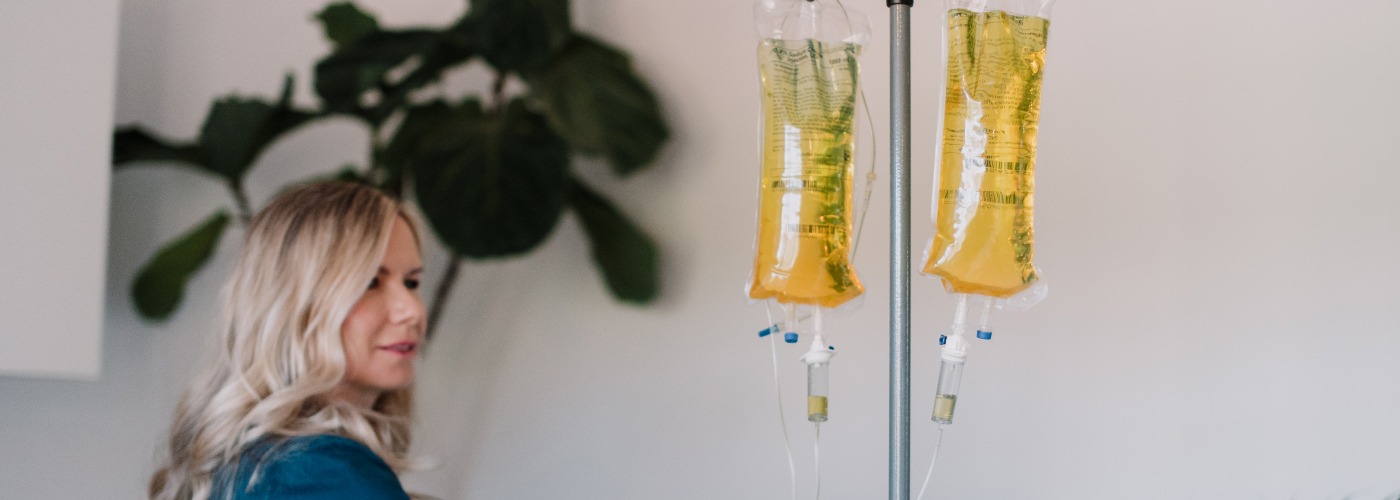
In practice, NAD+ runs as the main infusion slowly, over 2 to 4 hours, because going too fast causes nausea and chest tightness. Glutathione is administered as a short IV push at the end of the NAD+ drip, adding 15 to 30 minutes to the session. The sequencing isn’t arbitrary; it allows the NAD+ to complete its infusion without dilution, then delivers the glutathione at peak concentration as a finishing dose.
Who Benefits Most From Taking NAD+ and Glutathione Together?
| Situation | Why Both Together Makes Sense |
|---|---|
| Chronic fatigue or brain fog | NAD+ restores energy; glutathione clears the inflammatory load contributing to fatigue |
| Addiction recovery | NAD+ addresses cravings and withdrawal; glutathione supports liver detox simultaneously |
| Autoimmune or inflammatory | Glutathione reduces oxidative stress; NAD+ supports cellular repair and immune regulation |
| Anti-aging protocol | NAD+ targets mitochondrial aging; glutathione combats the oxidative damage that accelerates it |
| High toxic load | Glutathione leads the detox; NAD+ restores the cellular energy depleted by the toxic burden |
| Post-COVID or long-haul | Both support mitochondrial recovery, one of the most evidence-informed approaches for long COVID fatigue |
What to Expect From a Combined Session
- Session length: A combined NAD+ and glutathione session typically runs 2.5 to 4.5 hours. NAD+ takes 2 to 4 hours, depending on dose and your tolerance; glutathione adds 15 to 30 minutes at the end.
- During NAD+: You may feel a mild warmth or chest tightness if the drip rate is too fast. This is managed by slowing the infusion. Most people feel the beginning of mental clarity and a sense of alertness building as the session progresses.
- During glutathione: Generally very well tolerated. Some people notice a mild metallic taste briefly. Sessions are smooth and fast.
- After: Most patients notice the clearest effect 24 to 48 hours later, improved mental clarity, steadier energy, and reduced fatigue. Glutathione effects, like skin brightness and reduced inflammation, tend to build across multiple sessions rather than one.
First time or budget-limited?
If you can only do one at a time, start with NAD+ if fatigue and brain fog are your primary concerns, or glutathione if detox, inflammation, or skin health is the priority. Add the other in your second or third session. Most patients who start with one end up combining them once they experience the individual effects; the clinical case for doing both becomes obvious.
Can You Take Oral NAD+ and Glutathione Instead?
Oral NAD+ precursors NMN and NR do raise NAD+ levels, though with significant variability in how efficiently different people convert them. For general maintenance, they have a role. For therapeutic goals addiction recovery, significant fatigue, and anti-aging protocols, IV delivery achieves concentrations that oral supplements simply don’t reach.
Oral glutathione is even more limited. The molecule is largely broken down by digestive enzymes before it reaches the bloodstream. Liposomal glutathione (like Quicksilver Scientific) improves this somewhat, but IV glutathione delivers measurably higher plasma concentrations than any oral form. If your goal is a meaningful clinical effect, IV remains the more reliable delivery method for both.
Frequently Asked Questions
Is it safe to combine NAD+ and glutathione?
Yes. NAD+ and glutathione work through entirely separate biochemical pathways and do not interact with each other in ways that create risk. The combination has been used in clinical settings for years. The only safety consideration is the same as any IV therapy: it should be administered by qualified clinical staff with a health intake beforehand.
Does glutathione make NAD+ more effective?
Yes, in a specific and meaningful way. NAD+ metabolism generates oxidative byproducts. Glutathione clears those byproducts, reducing the oxidative stress load during and after the session. For patients with already-depleted glutathione levels, adding it likely improves both tolerability and outcome of the NAD+ infusion.
How often should I get NAD+ and glutathione IV?
For an initial protocol addressing fatigue, brain fog, or chronic illness, a series of 4 to 6 combined sessions over 3 to 6 weeks is typical, followed by monthly maintenance. Frequency varies by individual goals and response. We assess and adjust at regular intervals rather than running the same protocol indefinitely.
Can I get this as a mobile IV in Sedona?
Yes, our mobile IV service brings the combined NAD+ and glutathione session to your hotel, vacation rental, or home throughout Sedona and the surrounding area. Given the session length, many patients find it more comfortable to receive the treatment lying down at their accommodation rather than in the clinic. Our Registered Nurses handle everything on-site.
What’s the difference between NAD+ and NAD+ precursors like NMN?
NAD+ precursors (NMN, NR) are molecules your body converts into NAD+ after absorption. IV NAD+ is the active molecule delivered directly into the bloodstream, no conversion required, immediate availability at therapeutic concentrations. For clinical outcomes, IV NAD+ is meaningfully more potent than oral precursors. They serve different purposes: oral precursors for daily maintenance, IV for therapeutic protocols.
Book a Combined NAD+ and Glutathione Session at Zia Wellness
The combination of NAD+ and glutathione is one of the most clinically coherent IV protocols in integrative medicine, not because of trend, but because of biology. One fuels cells. The other protects them. Together, they cover more of the cellular health picture than either does alone.
At Zia Wellness in Sedona, we do a health intake before every session and customize dosing to your situation. If a combined session isn’t the right starting point for you, we’ll tell you that and suggest what is. Most patients who come in curious leave with a clear protocol and a real sense of what to expect.