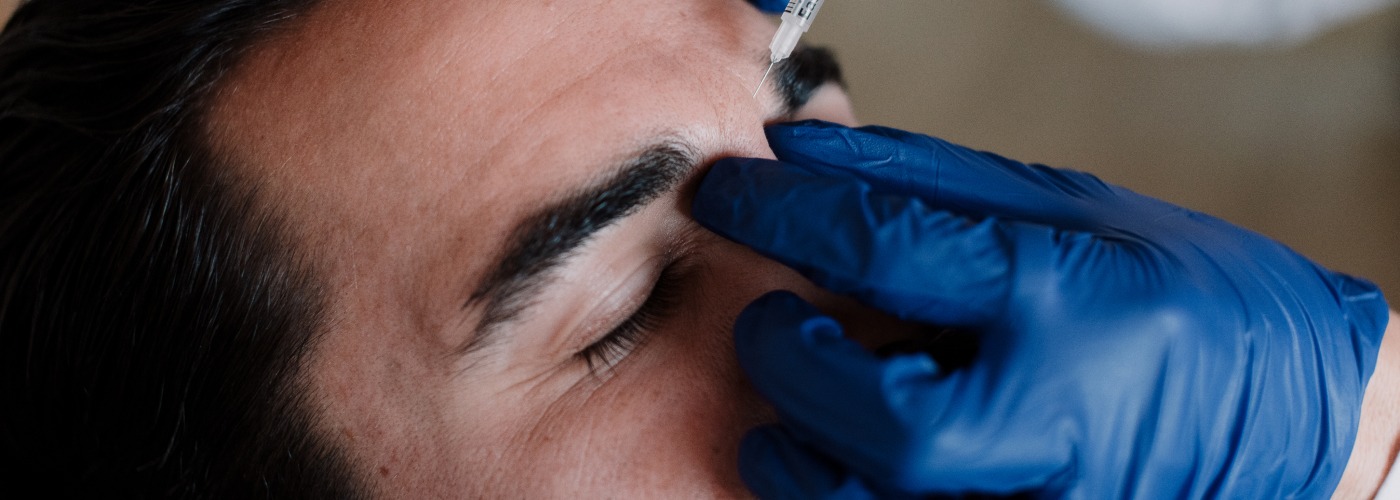
Quick Answer
Masseter Botox treatment involves injecting botulinum toxin into the masseter, the large chewing muscle at the angle of your jaw. It gradually reduces the muscle’s size over 4 to 6 weeks, slimming the lower face and softening a square jawline. It also relieves jaw clenching, teeth grinding (bruxism), and chronic jaw pain. Sessions take 15 to 20 minutes, there’s no downtime, and results last 4 to 6 months.
Most people come in for masseter Botox for one of two reasons: they want a slimmer face, or their jaw hurts. A fair number come in for both and walk out surprised that a single 20-minute treatment addressed them at the same time.
The masseter is one of the strongest muscles in the human body. It has to be; it’s responsible for chewing. But when it’s overdeveloped, from natural anatomy, chronic stress, or years of nighttime grinding, it can widen the lower face, create jaw tension, and cause significant dental damage over time. Botox is one of the most effective tools available for all of it.
Here’s everything you need to know about how masseter Botox works, what it actually achieves, and whether it’s the right fit for you.
Masseter Botox Treatment: Quick Facts
| Detail | What to Know |
|---|---|
| Target muscle | Masseter (chewing muscle at jaw angle) |
| Session time | 15–20 minutes |
| Onset of slimming | 4–6 weeks (gradual reduction) |
| Full result | 3 months as muscle reduces in size |
| Duration | 4–6 months, longer with regular treatment |
| Units used | 20–40 units per side (varies by muscle size) |
| Pain level | Mild brief pressure at injection site |
| Downtime | None back to normal same day |
| Also treats | Jaw clenching, bruxism (teeth grinding), jaw pain |
How Does Masseter Botox Actually Work?
Botox works by temporarily blocking the nerve signal that tells a muscle to contract. In the masseter, this means the muscle still functions; you can chew, talk, and express yourself completely normally, but it contracts with less force and intensity.
Over 4 to 6 weeks, a muscle that’s being less intensively used begins to reduce in size. This is the same principle as any muscle: reduce the workload, reduce the bulk. The result is a gradual, natural-looking slimming of the jaw angle, not an overnight transformation, but a real and visible change that most patients notice fully by the three-month mark.
The treatment doesn’t restructure bone or remove tissue. It changes the muscle. So if a wide jaw is coming from bone structure rather than muscle bulk, the results will be more subtle. A proper assessment before treatment will tell you which is the case for you.
The Two Main Reasons People Get Masseter Botox
1. Jaw Slimming and Lower Face Contouring
This is the aesthetic side of the treatment. The masseter sits at the corner of the jaw. When it’s enlarged, it creates a square, heavy lower face. Reducing its size softens the jaw angle, creates a more tapered oval shape, and lightens the overall appearance of the lower face.
The change is gradual, which is actually a good thing. It looks natural because it happens the way a real physical change would, over weeks rather than overnight. People around you may notice you look different without being able to say exactly why. That’s generally the best possible outcome with any facial aesthetic treatment.
Results tend to last longer with masseter Botox than with other facial areas, typically 4 to 6 months, and often longer with regular treatment as the muscle adapts and begins to atrophy slightly with repeated reduced use.
2. Bruxism, Jaw Clenching, and Chronic Jaw Pain
This is the therapeutic side, and for many patients, it becomes the primary reason they keep coming back. Bruxism (grinding teeth during sleep) and jaw clenching (often stress-related, often during the day without awareness) are both driven by overactive masseter activity. The consequences over time are significant: worn tooth enamel, cracked teeth, headaches, jaw joint (TMJ) pain, and chronic facial tension.
Botox reduces the force with which the masseter contracts. Patients typically report within 2 to 3 weeks that they’re waking up without jaw tension, headaches are less frequent, and the chronic tightness they’d normalized is noticeably reduced. It doesn’t fix the underlying stress or sleep issue, but it breaks the cycle of muscle overactivity that causes the damage.
A note on dental protection
If you grind your teeth at night, your dentist may have recommended a night guard. Masseter Botox and a night guard work well in combination. The Botox reduces the grinding force, and the guard protects the remaining enamel contact. Many patients use both, and we’re happy to coordinate care with your dental provider.
Who Is a Good Candidate for Masseter Botox?
Masseter Botox works well for a wide range of people. You’re a good fit if any of these apply:
- Your lower face looks square or wide, and you’d like a softer, more tapered shape
- You clench your jaw at night, during stress, or habitually without realising it
- You’ve been diagnosed with bruxism, or your dentist has noticed enamel wear
- You wake up with jaw tightness, headaches, or facial soreness
- You have TMJ-related pain or tension in the jaw joint area
- You want to complement other facial treatments; it pairs well with chin Botox, lip work, or the Nefertiti lift for a full lower face approach
Who Should Be Cautious?
Masseter Botox is generally very safe, but a few situations need consideration:
- People who rely heavily on chewing tough foods professionally (e.g. musicians who use their jaw) should discuss this the reduction in muscle force is real, though temporary
- Anyone with neuromuscular conditions should consult their physician before any Botox treatment
- Pregnancy and breastfeeding are contraindications for all Botox treatments
A health intake and facial assessment before your first session will identify any concerns specific to you.
What to Expect: Before, During, and After
- Before: Skip blood thinners and alcohol for 24 hours. Come with a clean face. No special prep needed, it’s a quick, straightforward session.
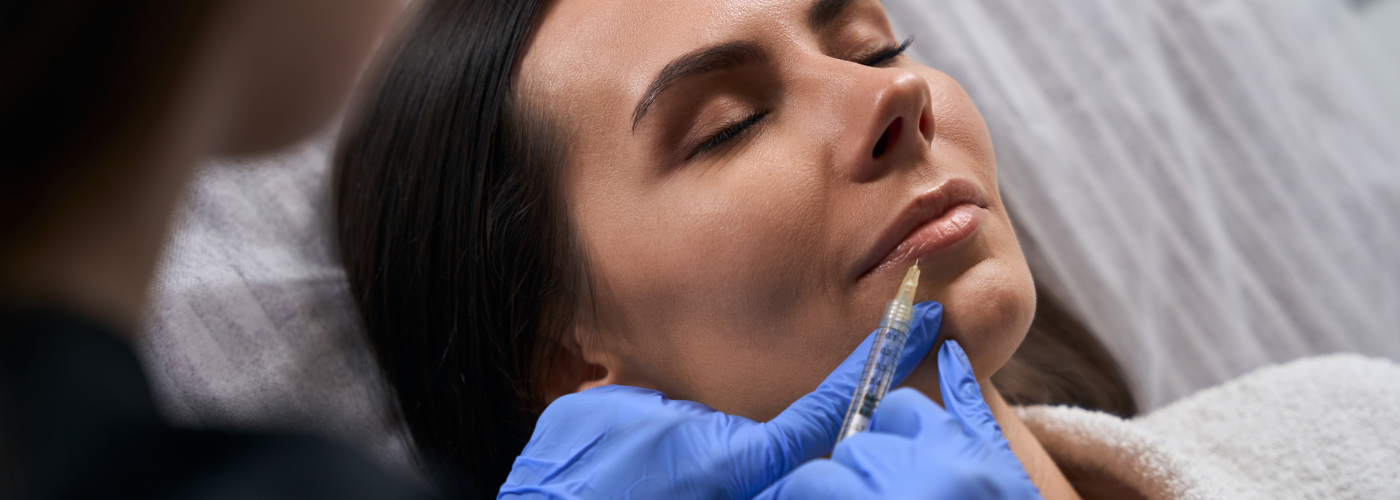
- During: You’ll feel light pressure at each injection point along the jaw angle. Most patients describe it as less uncomfortable than they expected. The session takes 15 to 20 minutes from start to finish.
- After: No downtime. You can eat, talk, and go about your day normally. Avoid massaging the area for a few hours. Some very mild tenderness at the injection sites is normal and passes quickly.
- Week 2–6: This is when the change happens. The muscle gradually reduces, and the jaw softens. Most patients see the aesthetic change clearly by week 6, with continued improvement through the three-month mark.
How often should you repeat masseter Botox?
Most patients start with sessions every 4 to 6 months. With regular treatment, the muscle often atrophies slightly over time, meaning some patients find they need less product and can extend their interval to 6 months or beyond. Therapeutic patients (bruxism and jaw pain) often stick to regular sessions because the relief is consistent and meaningful.
Masseter Botox vs. Other Jaw Treatments
It’s worth being clear about what masseter Botox is and isn’t compared to the alternatives:
- vs. Night guard for bruxism: A night guard protects your teeth from grinding damage but doesn’t reduce the grinding force. Botox reduces the force itself. They work best together.
- vs. Jaw surgery: Surgery can reshape bone structure. Botox can only address muscle bulk. For square jaws driven by bone anatomy, surgery may be the more appropriate route. For muscle-driven width, Botox produces real results without the recovery.
- vs. Filler for jaw contouring: Filler adds volume and structure; Botox reduces muscle bulk. For a sharper, defined jaw edge, filler may help. For a softer, slimmer jaw, Botox is the better tool. Some patients benefit from both.
Frequently Asked Questions
Will masseter Botox affect how I chew?
No. The muscle is reduced in bulk and force but not paralysed. You will chew, speak, and smile completely normally. The change is gradual enough that most patients don’t notice any functional difference, just less tension and a slimmer appearance over time.
How many units of Botox does the masseter need?
Typically, 20 to 40 units per side, depending on the size and strength of your masseter. Larger, more developed masseters need more product to achieve adequate reduction. This is assessed at your appointment. We don’t use a flat dose for everyone.
Does masseter Botox hurt?
Most patients rate it as mild discomfort, a brief pressure at each injection point. The masseter is a dense muscle, so it can feel slightly more noticeable than softer facial areas, but it’s fast and well-tolerated. Numbing cream is available if you’d prefer it.
How long before I see jaw slimming results?
The slimming effect takes time because it depends on the muscle gradually reducing in size. Most patients notice a visible change between weeks 4 and 6, with the full result apparent at around 3 months. It’s not an instant result, but it’s a natural-looking one.
Can masseter Botox be combined with other treatments?
Yes, and it often works best as part of a broader lower face approach. It pairs well with chin Botox, lip flip, and the Nefertiti neck lift to create a cohesive lower face treatment. We’ll map out what makes sense for your specific anatomy and goals at your consultation.
Thinking About Masseter Botox in Sedona?
Whether you’re here for the aesthetic change, the jaw pain relief, or both, masseter Botox is one of the treatments where the results tend to surprise people. They come in focused on one benefit and leave having fixed two problems they’d been managing for years.
At Zia Wellness, we assess your masseter size and jaw anatomy before recommending a dose. We work conservatively on first sessions; it’s easier to add than to undo, and we follow up to make sure the result is what you were after. If something else would serve you better, we’ll tell you that upfront.