Quick Answer
Botox for facial rejuvenation works by relaxing specific facial muscles to smooth lines, lift features, and restore a more rested appearance without surgery. Common treatment areas include the forehead, frown lines, crow’s feet, brow, lip, jaw, and neck. Results last 3 to 6 months, depending on the area. At Zia Wellness in Sedona, every treatment is customized to your facial structure and goals, not a standard formula.
Most people know Botox as the thing that smooths forehead lines. What fewer people realize is how many other things it can do and how much the results depend on the skill of the person holding the syringe.
Used well, Botox doesn’t freeze your face. It softens it. It gives you back the version of your face that looked rested, open, and natural. Used poorly, it gives you the frozen look that people are trying to avoid. This guide covers where Botox is actually used for facial rejuvenation, what each area achieves, and what you need to know before booking.
How Does Botox Actually Work?
Botox (botulinum toxin type A) temporarily blocks the nerve signals that tell specific muscles to contract. When the muscle can’t contract, the overlying skin stops creasing, and existing lines soften because the repetitive movement causing them has paused.
It doesn’t fill volume or tighten skin. It relaxes muscle movement. That distinction matters because it means Botox works best on dynamic lines, the ones that form when you move your face. For static lines that are visible even when you’re expressionless, other treatments like dermal fillers or microneedling may be more effective, or needed alongside Botox.
At Zia Wellness, we use both Botox and Xeomin, two neuromodulators with the same mechanism and slightly different formulations. We’ll recommend whichever is better suited to your treatment goals.
Botox Treatment Areas for Facial Rejuvenation: At a Glance
Here’s a quick reference for the most commonly treated areas, the muscle being targeted, and what to expect from timing and duration:
| Treatment Area | Muscle / Target | Onset | Duration |
|---|---|---|---|
| Forehead lines | Frontalis muscle | 2–4 weeks | 3–4 months |
| Frown lines (11s) | Glabellar complex | 2–4 weeks | 3–5 months |
| Crow’s feet | Orbicularis oculi | 2–3 weeks | 3–4 months |
| Brow lift | Depressor supercilii | 2–3 weeks | 3–4 months |
| Bunny lines (nose) | Nasalis muscle | 2–3 weeks | 3–4 months |
| Lip flip / lip lines | Orbicularis oris | 3–5 days | 2–3 months |
| Chin dimpling | Mentalis muscle | 2–3 weeks | 3–4 months |
| Jaw slimming (masseter) | Masseter muscle | 4–6 weeks | 4–6 months |
| Neck bands (Nefertiti) | Platysma bands | 2–4 weeks | 3–4 months |
| Hyperhidrosis (sweating) | Sweat glands | 1–2 weeks | 6–12 months |
Individual results vary based on muscle strength, metabolism, and the dose used. These ranges reflect typical clinical outcomes, not guarantees.
The Treatment Areas: What Each One Actually Does
Forehead Lines
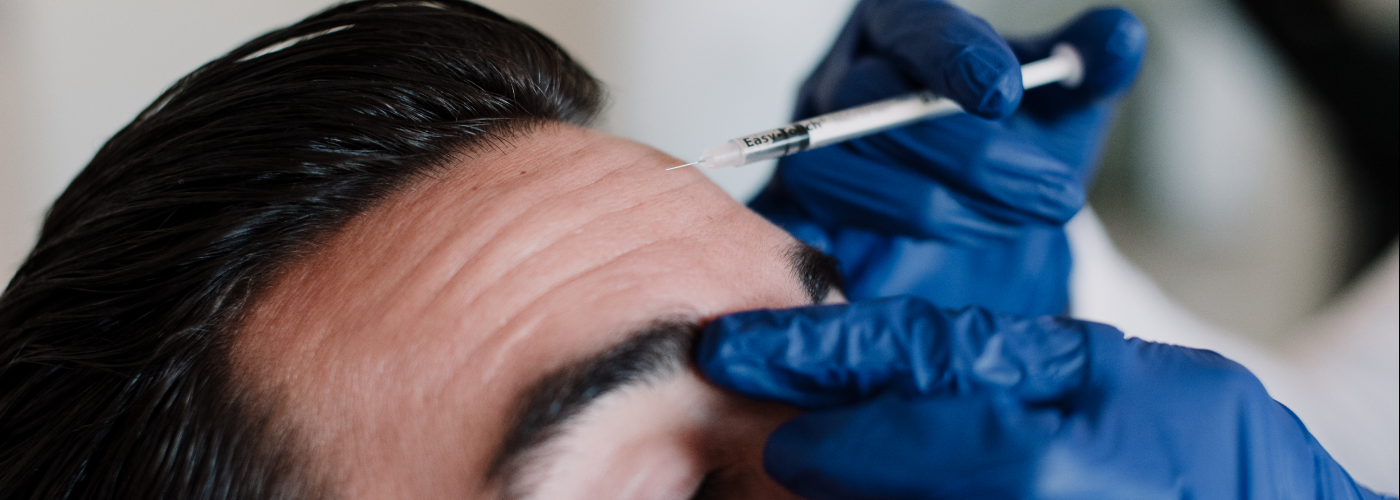
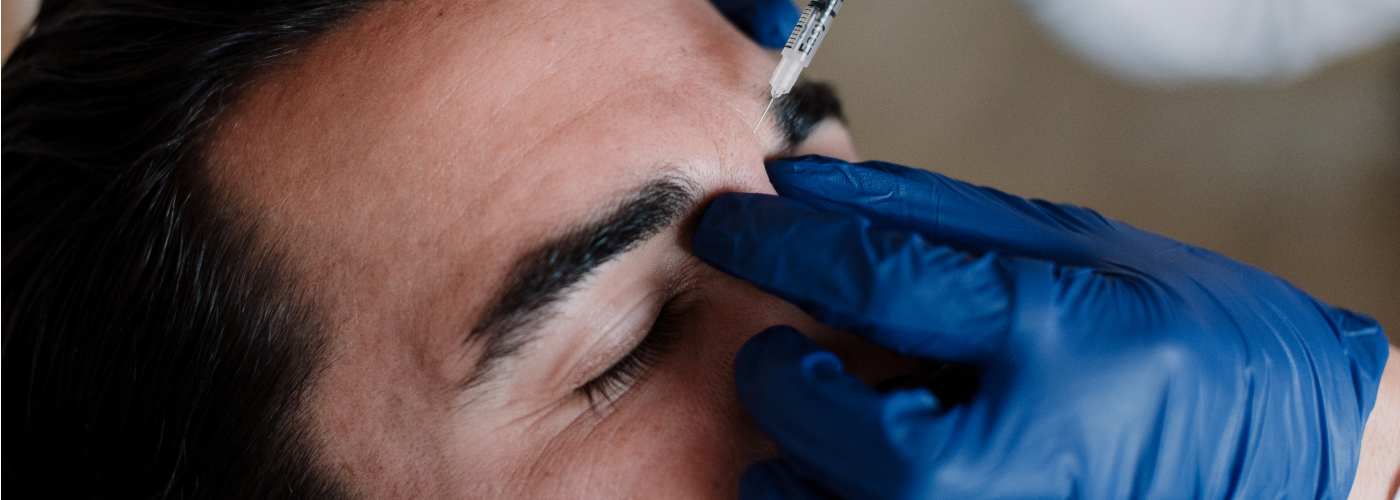
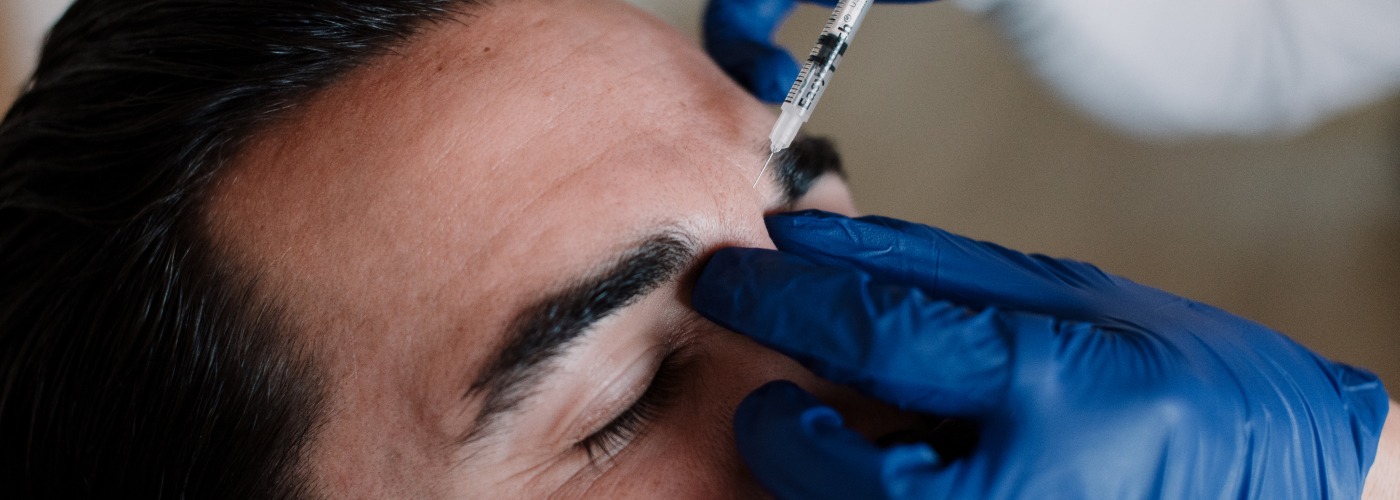
Horizontal lines across the forehead come from repeatedly raising your eyebrows, something most of us do dozens of times a day without thinking. Botox relaxes the frontalis muscle to smooth these lines. The key is using just enough to soften the lines without dropping the brows. Over-treating the forehead is one of the most common mistakes, and it’s why dosing and placement need to be precise.
Frown Lines The 11s
The vertical lines between the eyebrows form from frowning, squinting, and concentrating. They tend to make people look frustrated or angry even when they’re not, and they’re one of the top reasons people try Botox for the first time. The glabellar complex (a group of muscles between the brows) is targeted here, and this area often responds well with noticeable softening within two weeks.
Crow’s Feet
The lines that fan out from the outer corners of your eyes when you smile or squint. These are very normal smiling causes them but they can deepen significantly with age and sun exposure. Botox to the orbicularis oculi muscle softens them without affecting your smile or eye movement in a way that looks unnatural.
Brow Lift
This is one of the more nuanced uses of Botox, and one people often don’t know is possible. By relaxing the muscles that pull the brows downward, Botox creates a subtle lift, making the eyes look more open and the face less heavy. It’s not a surgical brow lift, but for mild to moderate brow descent, it makes a real visible difference. Placement matters enormously here.
Lip Flip and Lip Lines
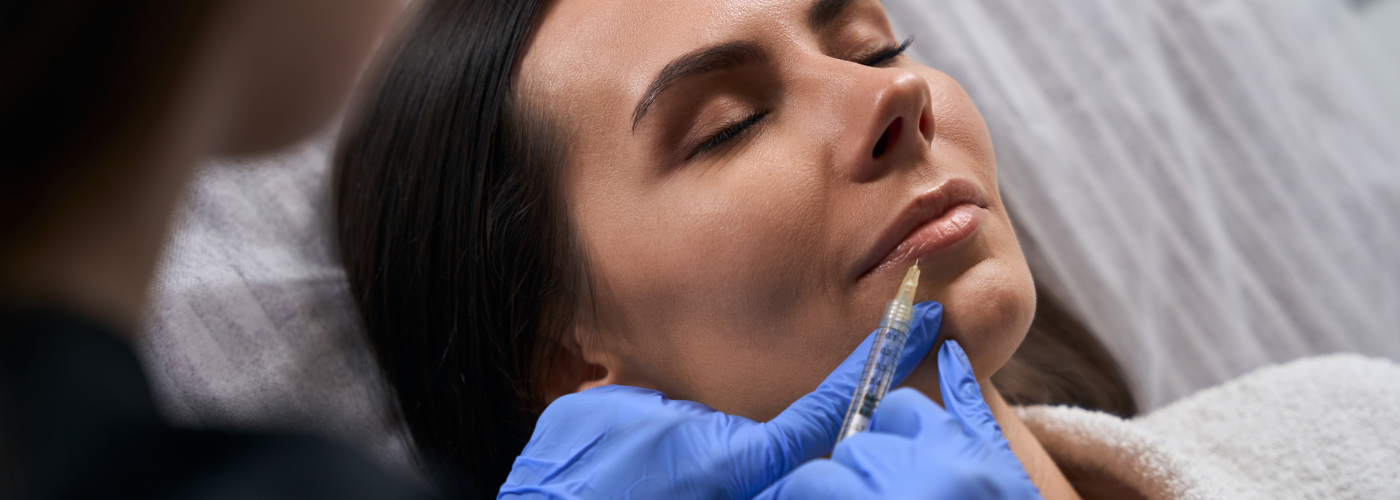
The lip flip uses a very small amount of Botox along the upper lip border to relax the muscle and allow the lip to roll slightly outward, creating the appearance of more lip without adding filler. It’s a good option for people who want subtle lip enhancement or who smile in a way that makes their upper lip thin out. Lip lines (the vertical lines above the lip) can also be softened here, though a small amount of filler is sometimes more effective for deeper lines.
Jaw Slimming Masseter Botox
This one surprises people. Botox injected into the masseter muscle the large chewing muscle at the jaw angle causes it to gradually reduce in size over 4 to 6 weeks. The result is a slimmer, softer jawline and an overall narrowing of the lower face. It’s also used therapeutically for jaw clenching and teeth grinding (bruxism), which causes significant long-term dental damage. If you clench your jaw and have a wide lower face, this is worth asking about.
Chin Dimpling
If the chin has a pebbled or ‘orange peel’ texture, especially when talking or at rest, that’s the mentalis muscle at work. A small amount of Botox smooths this out. It’s a quick, low-risk treatment that makes a subtle but noticeable difference to the lower face.
Neck Bands The Nefertiti Lift
The vertical bands that become visible in the neck as the platysma muscle ages are treatable with Botox. Injections along the bands relax the muscle and reduce their prominence, while also creating a mild lifting effect on the lower face and jawline. It’s called the Nefertiti lift, named for the Egyptian queen’s elongated, defined neck. Results are subtle but real, particularly for early to moderate neck banding.
What to Expect: Before, During, and After
- Before: Avoid blood thinners like ibuprofen, aspirin, and alcohol for 24 hours before your appointment to reduce bruising risk. Come with a clean face; no heavy makeup needed.
- During: Sessions typically take 15 to 30 minutes, depending on how many areas are treated. Most people rate the discomfort as mild, a quick pinch per injection site. No anesthesia is needed.
- After: Avoid rubbing or massaging treated areas for 4 hours. Don’t lie flat for 4 hours post-treatment. Light exercise is fine; intense exercise is better avoided for the rest of the day. Some mild redness or pinpoint marks at injection sites are normal and resolve within hours.
How Long Does Botox Last?
Most facial areas last 3 to 4 months initially. With regular treatment, results often extend to 4 to 5 months as the targeted muscles gradually lose the habit of contracting as strongly. Masseter Botox tends to last longer, often 4 to 6 months. The lip area metabolizes more quickly, usually 2 to 3 months.
What Makes Botox Look Natural and What Doesn’t
The frozen, expressionless result that people fear usually comes from one of two things: too much product, or poor placement. A skilled injector uses the minimum effective dose and maps it to your specific muscle anatomy, which varies from person to person.
At Zia Wellness, we do a facial assessment before every treatment. We watch how your face moves, where your muscles are strongest, and what your goals are. The aim is always a result that makes you look refreshed, not different. People should notice you look well, not notice you had something done.
Frequently Asked Questions
1. Does Botox hurt?
Most people describe it as a brief pinch. The needles used for Botox are very fine, and sessions are fast. If you’re particularly sensitive, we can apply a topical numbing cream beforehand. Just let us know.
2. How soon will I see results from Botox for facial rejuvenation?
Most areas start showing results within 3 to 7 days, with full effect visible by 2 weeks. The frown line area and crow’s feet tend to respond quickly. The jaw and neck may take up to 4 to 6 weeks for the full result to develop.
3. Can Botox be combined with fillers or other treatments?
Yes, and this is often where the best results come from. Botox relaxes dynamic muscle movement; fillers restore lost volume; microneedling improves skin texture and collagen. Used together, they address different aspects of facial aging. We’ll recommend what makes sense for your situation, not push everything at once.
4. What is the difference between Botox and Xeomin?
Both are botulinum toxin type A neuromodulators. Xeomin is a ‘naked’ formulation; it contains no accessory proteins, which may reduce the chance of developing resistance over time. Clinically, they perform similarly. We stock both and will recommend the better fit for your treatment.
5. Is Botox safe for long-term use?
Yes. Botox has been used clinically for over 30 years and has a well-established safety record when administered by trained providers. Long-term use does not cause permanent muscle damage or skin thinning. Some people find they need less product over time as the targeted muscles weaken slightly with regular treatment.
6. Am I a good candidate for Botox?
Most healthy adults with dynamic facial lines are good candidates. Botox is not recommended during pregnancy or breastfeeding, or for people with certain neuromuscular conditions. The best way to know is a brief consultation we’ll assess your face, discuss your goals, and tell you honestly if Botox is the right tool or if something else would serve you better.
Ready to Find Out What Botox Can Do for Your Face?
There’s a version of facial rejuvenation that looks genuinely natural, where you look rested, refreshed, and like yourself, just on a good day. That’s the standard we aim for at Zia Wellness.
Our Nurse Practitioners and Registered Nurses assess each patient individually before any treatment. We don’t use a standard dose for everyone; we use what’s right for your face. If Botox isn’t the best fit for what you’re trying to achieve, we’ll tell you that too.